
“Regardless of geographical region or culture gardening is perhaps the most common and shared experience of Nature.”
S. Kelley Harrell, Nature’s Gifts Anthology
It has been our dream the last couple of years to start a garden here at our home. To be honest, it’s been our dream to become more self sufficient when it comes to our food. When Fall is here, my husband and I will go deer hunting when we can to try and fill up the freezer. We both love knowing where our meat came from and knowing that it is organic, grass-fed, and not pumped full of antibiotics and growth hormones. This year we decided to expand our self sustaining measures by incorporating a couple of raised garden beds. We are extremely blessed to live on 7 acres, but a large percentage of our property is wooded area, so we didn’t have a large plot to do in ground rows. This is where Tip #1 comes in…

Tip #1
Do Your Research
Before we even bought seeds to plant, we spent hours researching what kind of garden to start. As I mentioned above, we knew we couldn’t have a traditional garden with rows and rows of plants, so we opted to do raised beds after reading about all of their benefits. If you have a small area to work with, whether do to lack of yard space or you live in an apartment and only have a patio to work with, raised beds or container gardening is always a viable option. You can do what’s called square foot gardening which allows you to maximize your produce yield because you can sow a specific number of plants per square foot. A large part of our research was done in part to several eBooks and courses that we found through Ultimate Bundles! One of my favorite eBooks I read was How to Start a Container Garden by Julie Brown. She goes into why you should do container gardening, the pros & cons, and how to decide on what kind of containers to use! Among some of the other books, another one I loved so much was Beginners Guide to Healthy Soil. Before reading this I thought dirt and soil were interchangeable! Right now Ultimate Bundles has their Gardening and Sustainable Living Bundle for a steal! Click on the link below to see what all is in it!
https://ultimatebundles.com/sale/gslb2020-webinar-registration?a_aid=5ec1446653ec3&a_bid=4e29d646
Once you figure out where you’re going to put your garden and what kind of garden you’d like to have, then planning everything out comes next.

Tip #2
Plan It Out & Write It Down
After we had taken the time to learn the basics of gardening and decided on the best solution for our setup, my next job was to plan it out. The easiest way that seemed to resonate with me was to physically write things down in a journal. I am the type of person who can be quite forgetful, and if it’s not on paper for me to review later on then it might as well not exist.
When doing some of the research we learned that it is not beneficial (and can be harmful) to plant the same vegetables in the same spot year after year. Actually in most cases you want to give your soil 3-5 years to replenish the nutrients that were absorbed by said plant before sowing the same produce in that spot. Another important issue to plan for is the last frost in your area. I say issue because if you sow your seeds or plant your starter plants too early, the frost can wipe everything out! This is where a large part of our planning came into play.
The purpose of a garden journal is to have a written record of your garden. Since this is our first garden I wanted to document everything we did. I wanted to have something in my own words that said what worked and what didn’t work. I wanted to see where we planted each and every plant to know where to rotate our vegetables for the next year. There are so many good resources out there to organize and plan your garden from simple printables to complex layouts. I have seen some beautiful bullet journals with lots of colors, grids, and designs, too! There are also some handy printables through the Gardening and Sustainable Living Bundle.
Tip #3
Spend Time In Your Garden
I can’t stress this tip enough! The biggest mistake most beginner gardeners make is ignoring their garden once they have put in the hard work to start it. Don’t get me wrong, there is a ton of work that goes into creating a garden from scratch. Whether it’s tilling up the ground, constructing a raised bed, sowing seeds, or putting up a fence to protect your crops, there are a bunch of physical aspects of gardening. However once your vegetables start growing, your work is hardly over.
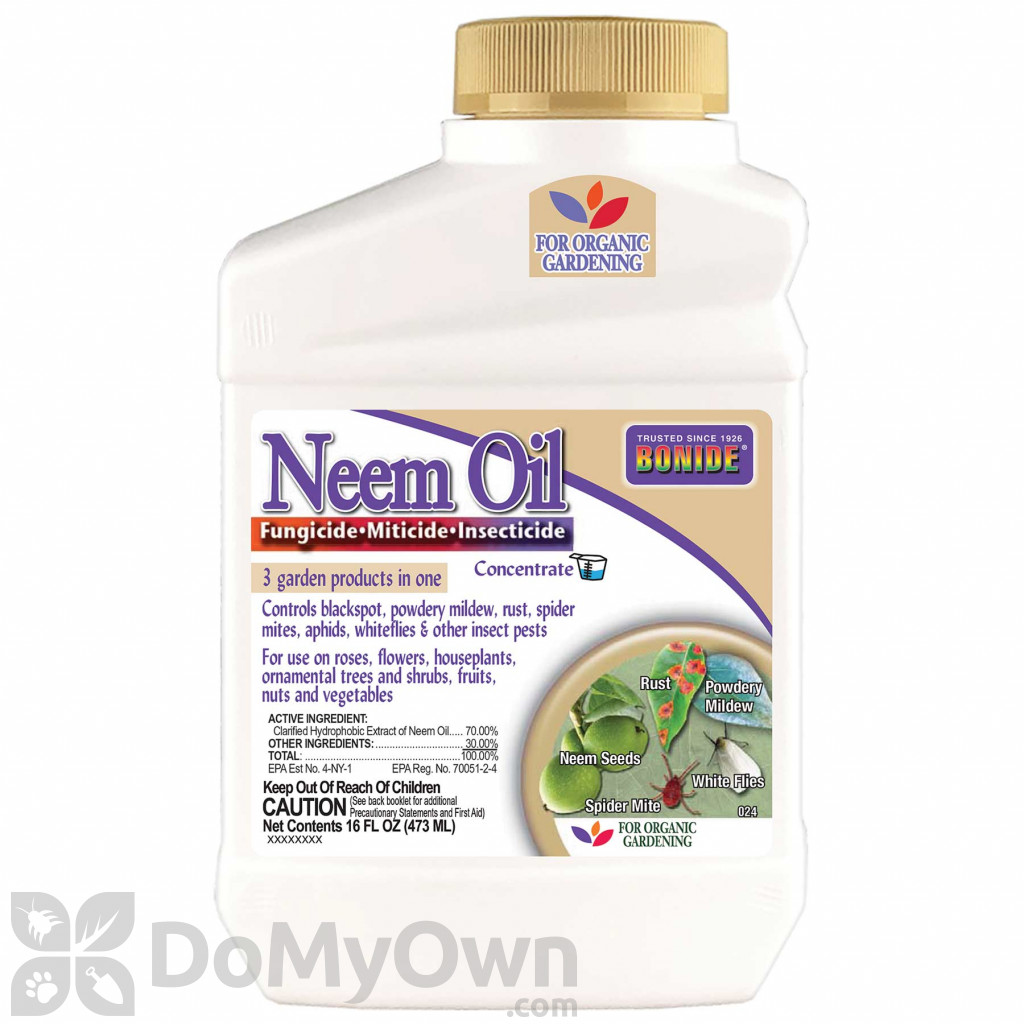
I made the mistake of doing the bare minimum the first couple of weeks that our plants were in the beds. I would wake up, go outside and water the garden, then I would put the watering pail away and go back inside, until the next morning. One day, my husband came inside from spending time in the garden to ask me how long our pepper plants have been infested with aphids. Aphids? I didn’t know anything was wrong with our peppers, let alone know they were COVERED in these nasty little pests! I didn’t know because I didn’t invest in the time to sit and really check on our plants. Thankfully my wonderful, observant husband did! After finding them, we went back to Tip #1 and did more research on how to get rid of them. We caught the little buggers in time before they destroyed our peppers and moved onto another plant. There are plenty of companies that sell natural and organic pest control products to help gardeners who want to have safe produce to eat at the end of their harvest. We ended up going with a Neem Oil spray that is a natural fungicide, miticide, and insecticide, and it has worked wonders!
There is much, much more that goes into gardening than we as casual gardeners will ever know. I hope that this information is beneficial to you in starting your own garden!
Was this information helpful to you? What more would you like to learn about our garden? Leave a comment below!
 Okie Momma